Two_women_in_documation_polos_talking

Transform Repetitive Tasks into Strategic Opportunities

Streamline Your Success with Automation Software

Many business tasks are still handled manually, which can slow things down and increase the risk of errors. Automating these processes ensures consistency, reduces manual work, and frees up staff to focus on more strategic, meaningful projects. It also gives better visibility into how tasks move through your organization, making inefficiencies easier to spot. As your company grows, automation helps you scale without overloading your team. Rather than replacing people, it supports them—enabling teams to get more done with less frustration.

Connect With Us

What Does Process Automation Entail?

Process automation involves using technology to perform repetitive tasks and workflows that are typically done manually. It streamlines operations by reducing human intervention, minimizing errors, and improving efficiency. This can include anything from automatically generating reports, processing invoices, managing employee onboarding, or routing customer service requests.

Key elements of process automation often include:
  • Workflow automation tools that manage task routing and approvals
  • Software integrations that connect different systems (like CRMs, ERPs, or HR platforms)
  • Bots or scripts that handle data entry, transfers, or other routine actions
  • Monitoring and analytics to track performance and spot inefficiencies


At its core, process automation helps businesses run more smoothly by freeing up teams to focus on higher-value work rather than getting bogged down by repetitive tasks.

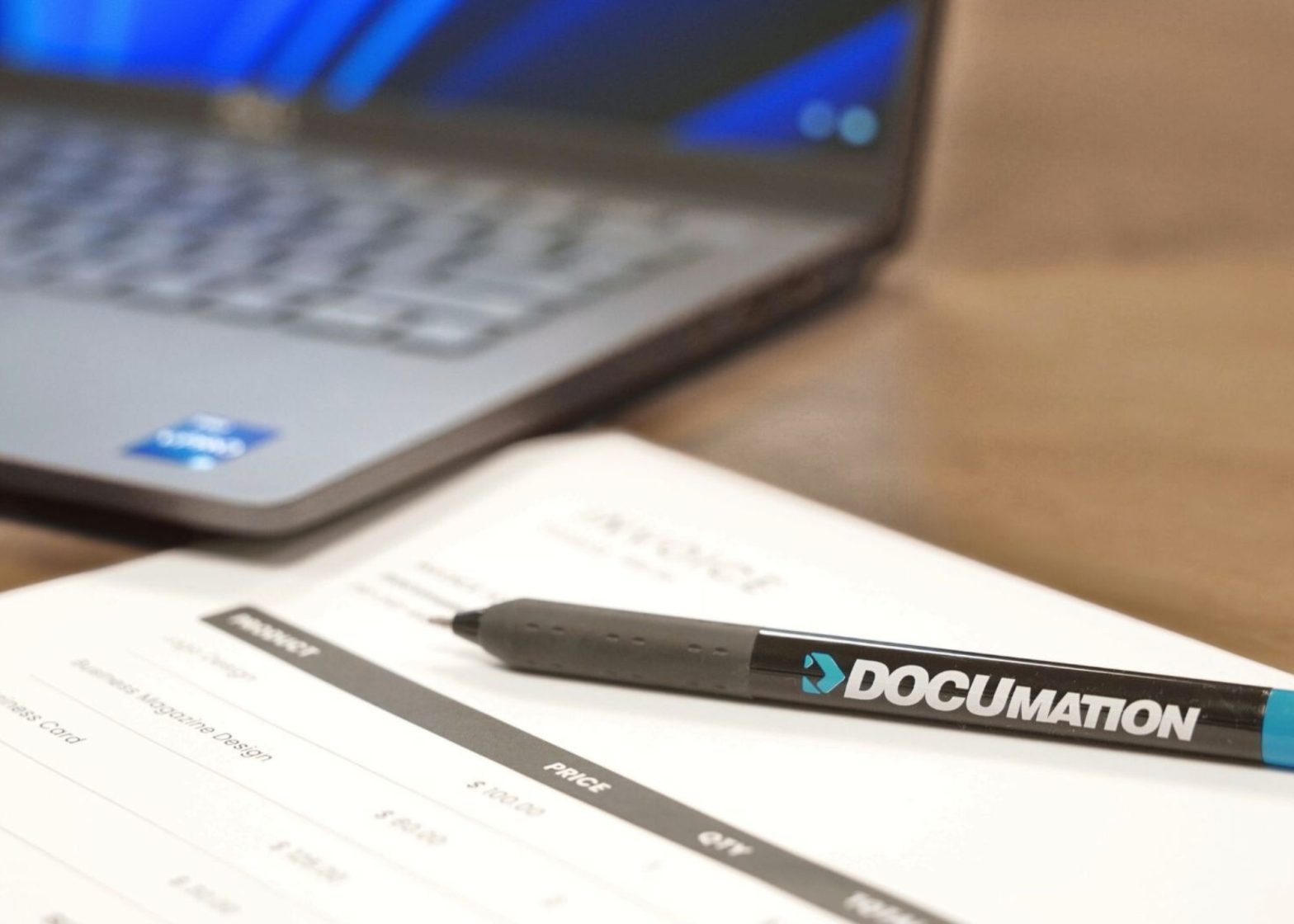
Hands typing on a laptop keyboard beside printed documents and a pen on a desk.
A professional woman with curly hair leans over a desk, smiling and pointing at a document while assisting a woman with gray hair, who is reviewing the paperwork with a pen in hand.

The Growing Shift Toward Business Automation

Automation helps businesses handle repetitive tasks faster and with fewer mistakes, reducing the time spent on manual data entry and routine approvals. By streamlining these everyday activities, teams can focus on higher-value work that requires critical thinking and collaboration. Automated processes also ensure tasks are completed the same way every time, helping maintain accuracy and avoid costly errors. With better consistency and organization, work flows smoothly across departments, improving overall productivity and reducing bottlenecks.

The Benefits of Process Automation:
  • Cuts down on repetitive data entry
  • Speeds up task approvals and hand-offs
  • Improves accuracy by reducing manual errors
  • Helps ensure policies and procedures are followed
  • Offers real-time tracking of tasks and workflows
  • Can grow with your business without adding extra workload

Frequently Asked Questions About Process Automation

Will automation replace me or my team?

The goal of automation is to complement teams, not replace them. By automating busywork like data entry and/or document workflows, you free up your most valuable resources-your people- and allow them to put their effort into more strategic areas of your business.

Is automation only for large businesses?

Small and mid-sized businesses can benefit just as much—if not more—by automating routine tasks. It helps them scale operations, reduce costs, and stay competitive without needing to hire additional staff.

Do you provide training and support for automation?

As a managed service provider, we offer end-to-end support, including full training to ensure your team is confident using automation tools. Our sessions are tailored to your team’s needs, helping them integrate automation into their roles. We also provide ongoing support to address any questions or issues as you implement automation in your workflow.

How long does it take to implement automation?

The timeline depends on the complexity of the process and the tools involved. Some automations can be set up in a few days, while others may take a few weeks. We work closely with your team during our technology assessment to ensure a smooth and efficient rollout.

Will automation disrupt daily business operations?

No, automation won’t disrupt daily operations. We implement it in phases, focusing on one process at a time, and provide training to help your team adapt smoothly, improving efficiency without interrupting their workflow.

How do I know which processes to automate first?

A good starting point is automating tasks like data entry, invoice approvals, or onboarding workflows—repetitive, time-consuming jobs that are easy to streamline and quick to set up.

Blog

What is a Managed Service Provider (MSP)?

What is a Managed Service Provider (MSP)?

What is a MSP? A Managed Service Provider (MSP) is a third-party company that businesses...
Read More
MSP Facts: Facilities Management — What is FM?

MSP Facts: Facilities Management — What is FM?

What is Facilities Management? The success of every business is directly related to the availability...
Read More
Hesitant to spend what a smartboard costs? Rent it.

Hesitant to spend what a smartboard costs? Rent it.

Renting office equipment offers several advantages compared to owning it outright. It provides cost savings...
Read More