- Low cost per print after the first few copies
- Fast print speeds—up to 150 pages per minute
- Durable and long-lasting with minimal upkeep
- Excellent for spot color printing and simple graphics
- Eco-friendly, using soy-based inks and less power
- Ideal for forms, flyers, newsletters, and internal documents

Eye-Catching, Tactile Prints
Risograph Printers for High-Volume, Cost-Saving Printing
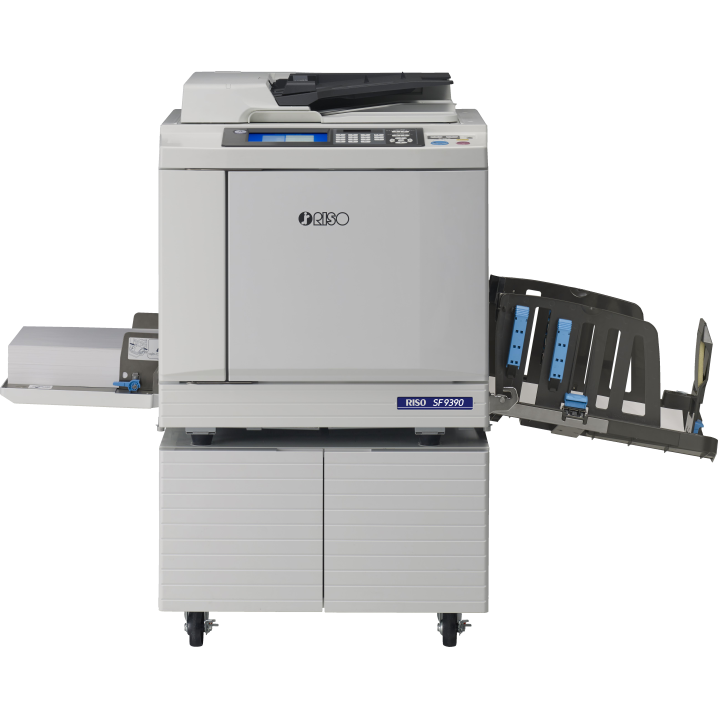
Risograph printers are a smart choice for organizations that need reliable, affordable printing without sacrificing quality. These machines are built for speed, designed to handle large jobs quickly, and are known for their low operating costs. Whether you’re printing newsletters, forms, or marketing materials, a Risograph can deliver sharp, consistent results at a fraction of the cost of traditional printers.
How Risographs Work
If you’re a school, church, nonprofit, or office that prints in volume and needs to keep costs down, a Risograph printer could be a smart investment. These machines are built for repeat jobs like newsletters, bulletins, forms, and flyers—things that don’t need full-color detail but do need to be fast, clear, and affordable. If you’re looking for a reliable print solution that cuts costs and saves time, here’s why a Risograph printer might be a great fit:

Why Choose a Risograph Printer?
A Risograph works more like a screen printer than a standard copier. It creates a master stencil and uses it to print each page, which makes it incredibly fast and cost-effective for big batches. With minimal maintenance and low energy use, it’s a smart addition to any managed print setup. If you're working with a print partner or MSP, a Risograph can be an efficient way to handle repetitive, high-volume jobs without overloading your other devices.
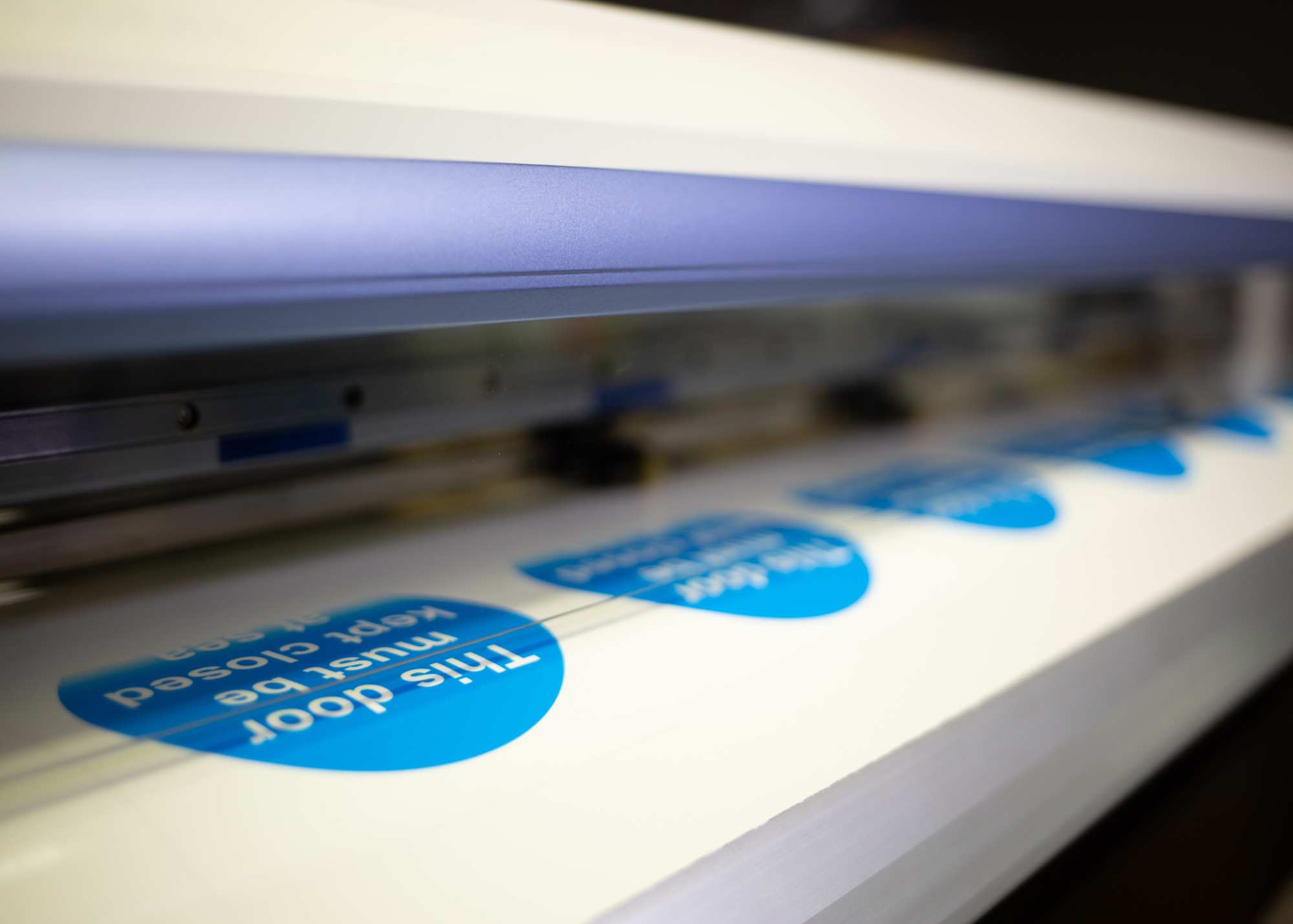
Risograph prints also have a distinct, tactile quality—offering subtle texture and rich, layered color that many designers and creatives compare to traditional art prints. This gives even simple materials a handmade, eye-catching feel.
Learn More About Riso Priners
What’s the difference between a Risograph printer and a production printer?
A Risograph printer is ideal for high-volume jobs with consistent content, like forms, flyers, and newsletters. It uses a stencil-based process to print quickly and at a very low cost per page. A production printer, on the other hand, offers more flexibility for full-color, high-resolution jobs and complex layouts. If your priority is speed and affordability for repeated prints, a Risograph is the better choice. If you’re producing detailed, color-rich materials like brochures or photo-heavy content, a production printer may be more suitable.
What is screen printing?
Screen printing is a printmaking process where ink is pushed through a mesh screen onto a surface—usually paper or fabric—using a stencil. Each color requires a separate screen. The Risograph process is similar in that it also uses a stencil (called a master), but it’s fully automated and optimized for paper. This gives you the look and feel of traditional screen printing, but with the speed and convenience of a digital printer.
What kind of ink or toner does a Risograph printer use?
Risograph printers use soy-based ink, not toner. The ink is applied through a master stencil onto paper, which gives Riso prints their signature look and makes the process energy-efficient and environmentally friendly. Since the ink is oil-based and doesn’t require heat to dry, it’s also more affordable and gentler on the printer over time.
Does DOCUmation assist with printer maintenance and upkeep?
Yes. We provide ongoing service and support for all printers we install, including Risographs. Our technicians handle maintenance, troubleshooting, and repairs to keep your equipment running smoothly. Whether it’s regular upkeep or an unexpected issue, we’re here to help—so your team can stay focused on the work that matters.


Blog
What is a Managed Service Provider (MSP)?
What is a MSP? A Managed Service Provider (MSP) is a third-party company that businesses...
Read More

MSP Facts: Facilities Management — What is FM?
What is Facilities Management? The success of every business is directly related to the availability...
Read More

Hesitant to spend what a smartboard costs? Rent it.
Renting office equipment offers several advantages compared to owning it outright. It provides cost savings...
Read More